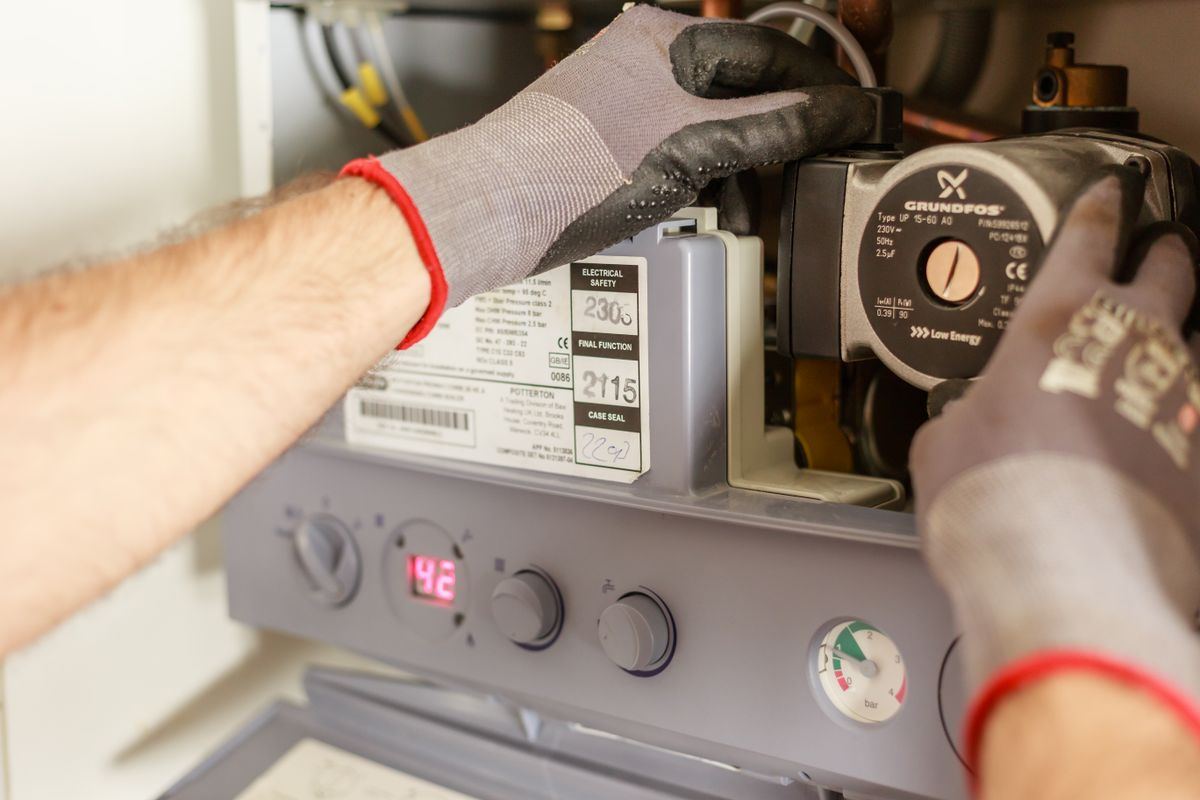
Jávea's tap water is very hard, so limescale builds up in kettles, showers, taps, water heaters and appliances. The usual fixes are a water softener on the main supply, regular descaling of heaters and appliances, and a filter or reverse-osmosis system for drinking water.
Ask any plumber in Jávea and limescale will be near the top of their list. Here is what it does and what people do about it.
Why is the water in Jávea so hard?
Much of the area's water comes from limestone aquifers and desalination blended into the supply, and it carries a high mineral content. It is safe, but the minerals deposit as scale when heated or left to dry.
What problems does hard water cause?
- Water heaters (termos) lose efficiency and fail sooner.
- Shower heads, taps and toilet cisterns block or drip.
- Washing machines and dishwashers wear out faster.
- White marks on glass, tiles and screens.
Is a water softener worth it in Jávea?
For many households, yes: it protects every pipe and appliance in the house. It needs salt topping up and an annual service. Compare water softener specialists and ask for a water test before buying.
What can I do without a softener?
- Descale the kettle, shower heads and taps with vinegar or descaler regularly.
- Have a plumber check or replace the water heater's anode.
- Run hot empty washes with descaler in the washing machine; see appliance repairs.
- Use a filter jug or a reverse-osmosis tap for drinking water.
How hard is the water, in numbers?
Water hardness in Spain is usually given in French degrees (ºF); 1 ºF is 10 mg of calcium carbonate per litre. On a scale commonly used in Spain, 14–32 ºF is medium, 32–54 ºF hard and over 54 ºF very hard. Published figures for the province of Alicante range from about 35 to 65 ºF, among the hardest in Spain. Jávea's supply is a mix of desalinated water and well water, so hardness can vary between areas and over the year.
The only reliable figure for your house is a test. Amjasa publishes water quality analyses, and a water-treatment firm can test at the tap before quoting for a softener. A simple drop test kit from a DIY shop also gives a reading in ºF.
Softener, filter or reverse osmosis?
- Softener (salt-based ion exchange): treats all the water entering the house, protecting pipes, the water heater, boilers and appliances. Needs salt and an annual service.
- Reverse osmosis unit under the sink: produces drinking water, removing most minerals. It doesn't protect the rest of the house.
- Filters and 'magnetic' or electronic descalers: cheaper, but results vary. Ask the installer what evidence they have.
Many households combine a softener for the house with a reverse-osmosis tap in the kitchen. For pools, hardness affects water balance and scale on the tiles. Pool firms adjust the chemistry for it.
Water treatment firms in the directory
| Business and address | Google rating |
|---|---|
| Electrobombas JáveaCtra. del Portitxol, 87, 03730 Xàbia, Alicante | 4.239 reviews |
| UnicomMoreras del Saladar III, Ctra. del Cap de la Nau Pla, 16, 03730 Xàbia, Alicante | 528 reviews |
| NaturqueaCtra. Cabo La Nao-Pla, Moreras del Saladar III, local 16-17, 03730 Xàbia, Alicante | 513 reviews |
| Laboratorio Aqua Vitae SLCarrer Dione, 25, 03700 Dénia, Alicante | 4.210 reviews |
See the full water softeners & filters page for what each one offers.
Find help in Jávea
Quick answers
Is Jávea tap water drinkable?
Yes, it is treated and monitored, but many people prefer filtered water because of the taste and hardness.
How often should a water heater be descaled in Jávea?
Many plumbers suggest a check every year or two because of the hard water.