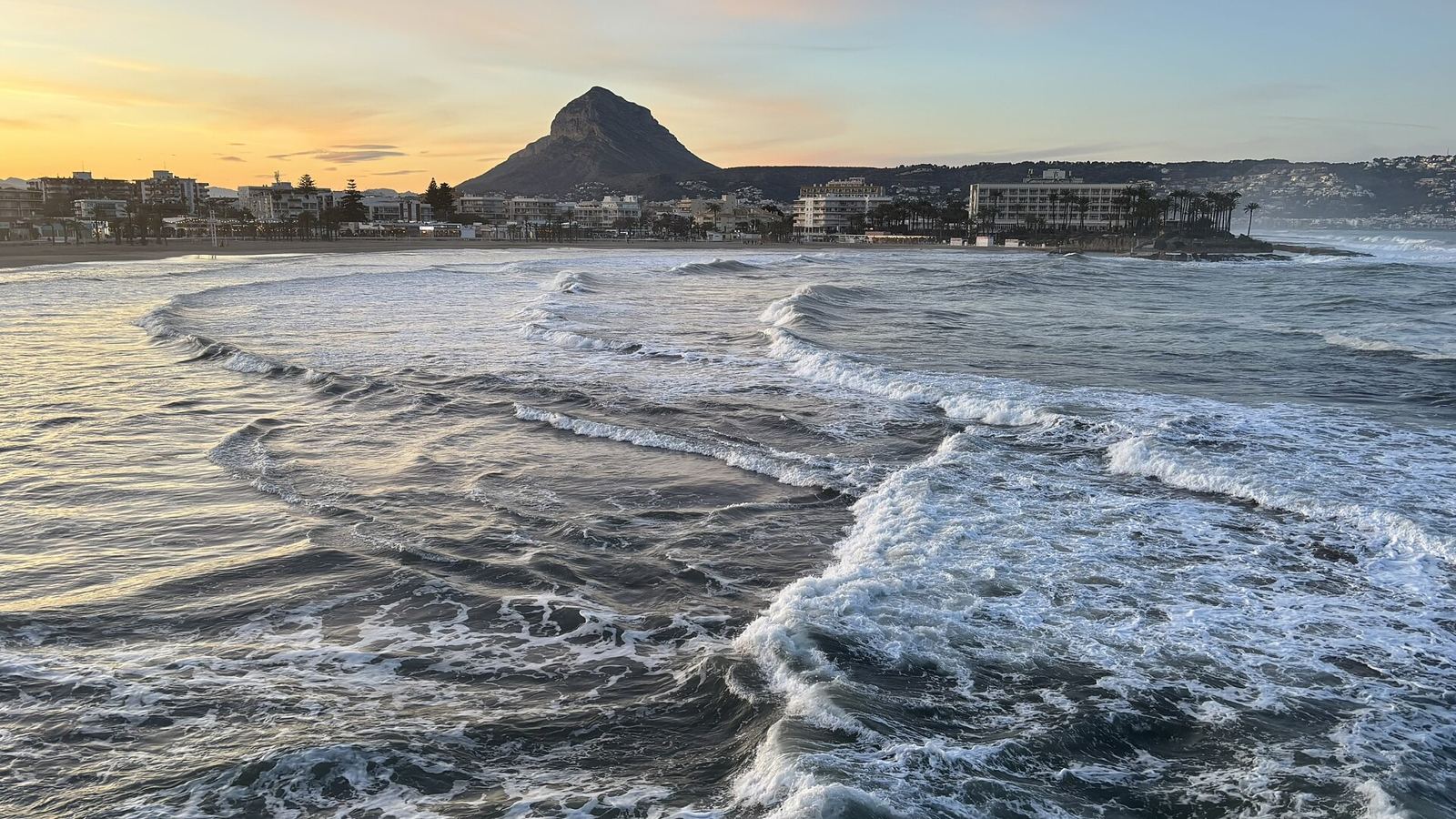
The gota fría (DANA) brings short bursts of very heavy rain to Jávea, mostly in autumn. Before the season, clear gutters and terrace drains, check roofs and terrace waterproofing, secure loose items outside and make sure empty homes are checked after storms.
Jávea gets little rain over the year, but when the autumn storms arrive the water comes all at once. Most storm damage is preventable.
When does the gota fría happen?
Most often between September and November, although storms can come at other times. Heavy rain can fall in a few hours, flooding roads and riverbeds such as the Gorgos.
What should I check before autumn?
- Gutters and downpipes: clear pine needles and leaves.
- Terrace and roof drains: make sure water can get away.
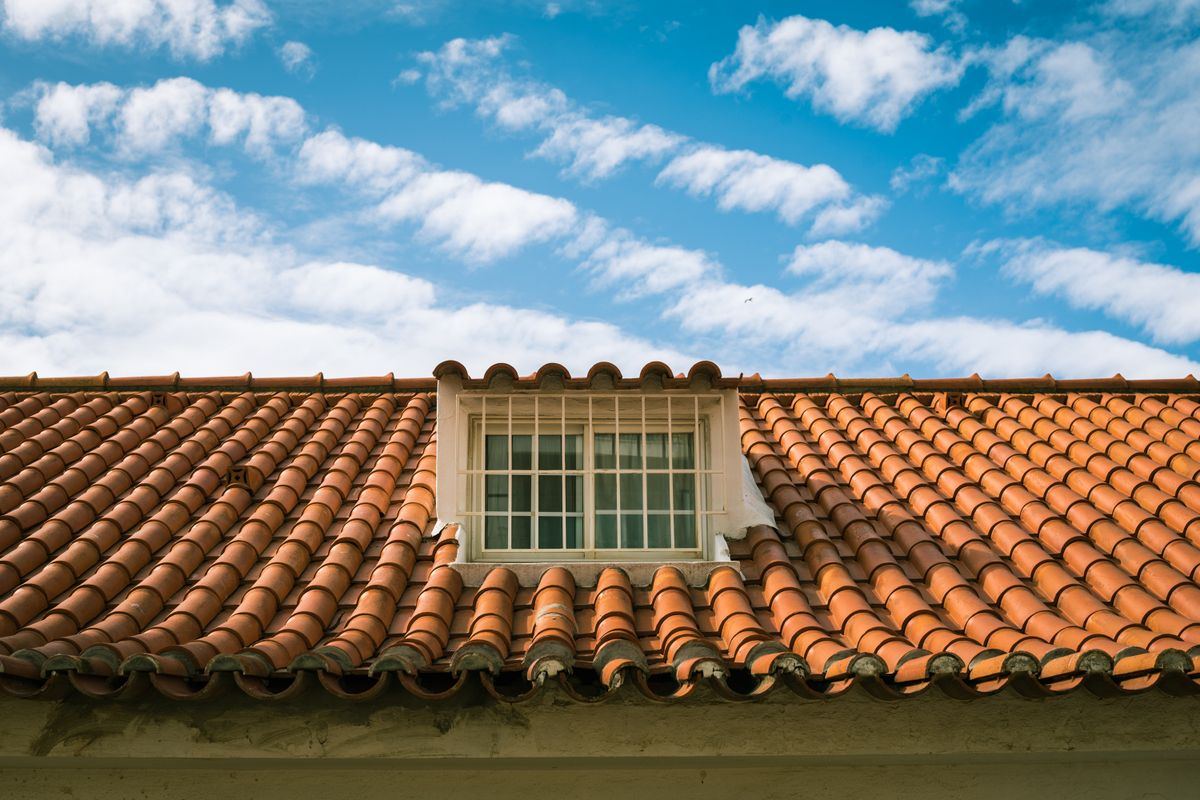
- Roof tiles and flashing: replace cracked tiles; see roofers.
- Flat roofs and terraces: check the waterproofing; see damp and waterproofing.
- Outdoor items: tie down or store furniture, awnings and parasols; see awnings.
- Trees: prune branches over roofs and power lines; see tree surgeons.
What if the house is empty?
Ask a key holder or neighbour to check the property after every big storm. Leaks found early cost far less to fix.
What about power cuts?
Storms can cause power cuts and surges. Surge protection and a check of your fuse board are worth discussing with an electrician.
How much rain can fall?
Jávea's heaviest storms are extreme by any standard. At Easter 2019, AEMET recorded about 302 litres per square metre in 24 hours. That is roughly two-thirds of a normal year's rain in a single day, and people had to be rescued in the Arenal. Another storm brought around 250 l/m², with about 100 rescues and a campsite evacuated. The DANA of November 2024 brought around 200 l/m².
Which parts of town flood?
Water runs off the Montgó and the hills and collects in the low, flat land between the old town and the sea. The streets that flood most often are around the Arenal: Av. de la Llibertat, Av. de la Fontana and Av. de l'Arenal. The Carretera del Pla in the Saladar also floods. The Saladar ravine runs under the Arenal. A new rainwater outlet was built in the Arenal after Storm Gloria in January 2020.
During heavy rain the local police close the roads that cross the Gorgos river. A dry riverbed can become a torrent within minutes. Never drive through a flooded crossing or ford.
What to do on the day
- Check AEMET warnings (yellow, orange, red) and the town hall's channels.
- Move cars out of garages and away from riverbeds and low streets in the Arenal.
- Stay at home if you can. Most rescues are of people in cars.
- Unplug sensitive electronics if lightning is forecast.
- Afterwards, check the roof, terraces and walls for leaks before damp sets in. See our damp guide.
Find help in Jávea
Quick answers
What is the gota fría?
A Spanish name for an isolated depression (DANA) that can bring very heavy, short-lived rain to the Mediterranean coast, usually in autumn.
Why do roofs leak only in storms?
Driving rain finds cracked tiles, worn flashing and failed terrace membranes that light rain never reaches.