Days out, sea and walks
Things to do in Jávea
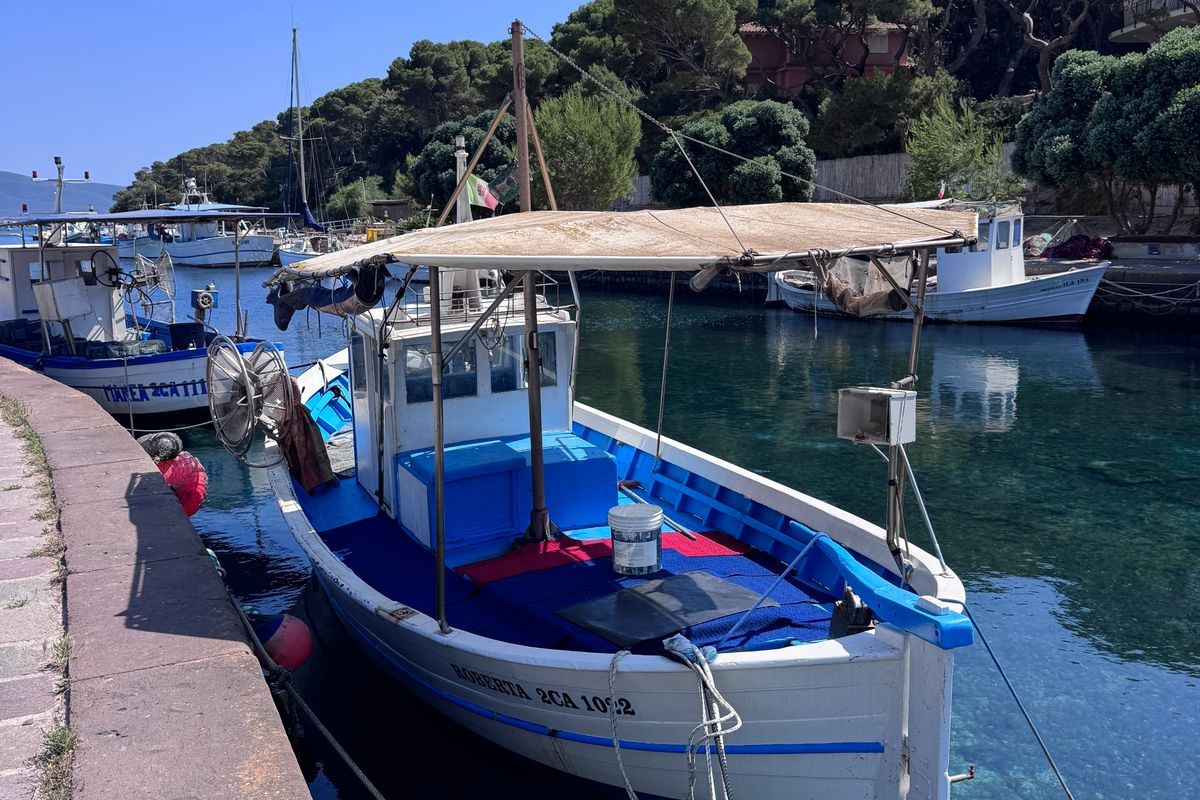
Stock photo (Pexels), not taken in Jávea
Jávea's best-known things to do are on and by the sea: boat trips to the coves, kayaking to sea caves, diving and snorkelling, and the Arenal, La Grava and Granadella beaches. On land there are the viewpoints from the Cap de Sant Antoni to the Cap de la Nau, walks on the Montgó, and the Old Town with its fortified church, museum and Thursday market. Javea1 lists 44 boat, kayak, diving and watersports businesses.
This page brings together Javea1's lists of boat, kayak, diving and watersports businesses with our guides to beaches, coves, markets and fiestas.
On the water
Much of Jávea's coastline, between the Cap de Sant Antoni in the north and the Cap de la Nau in the south, is cliffs and small coves that are best seen from the sea. Boat trips and boat hire leave from the Port; guided kayak tours head for the sea caves and coves in calm weather; and the clear water off Portitxol and Granadella is popular for diving and snorkelling. Our guide to boat trips, kayaks and diving covers where trips go, hiring a boat without a licence, safety, and how to visit the Cova Tallada sea cave.
Beaches and coves
Jávea has three very different main beaches: the sandy Arenal, best for small children; the pebbly La Grava at the Port; and the shingle cove of Granadella in a pine-covered valley in the south. Between them are rocky coves such as Portitxol, Cala Blanca and the Primer and Segon Muntanyar, good for snorkelling. Parking at Granadella and Portitxol is controlled in high season. See our guide to Jávea's beaches for lifeguards, Blue Flags and access rules, and sea safety before you swim.
Viewpoints and walks
The viewpoints route. The town promotes a route of 15 viewpoints along the coast, from the Cap de Sant Antoni to the Cap de la Nau, which you can do by car or partly on foot. The first, at the Cap de Sant Antoni lighthouse, is about 160 metres above the sea and looks across the whole bay; nearby are the old windmills of La Plana. Further south, the viewpoints at La Falzia, Cap Negre and the Cap de la Nau lighthouse look out over cliffs and, on clear days, along the coast to the south.
The windmills of La Plana. Eleven old windmills stand in a line on the edge of La Plana, near the Cap de Sant Antoni, at about 190 metres above sea level. They are privately owned and seen from outside. A short, easy marked path links them with the recreation area at the Cap de Sant Antoni.
The Montgó. The mountain between Jávea and Dénia has been a natural park since 1987, and its summit is 753 metres high. The way-marked PR-CV 355 path climbs from the Port of Jávea, and the most direct route to the summit, from the Jávea to Dénia road, is about 4 km each way with a steep final section and takes about four hours or more there and back. Gentler walks follow the Camí de la Colònia on the Dénia side. In summer the heat is dangerous on the mountain: start early, take plenty of water, and check the park's rules and any fire-risk restrictions before you go.
The Old Town and culture
The Old Town grew up inland, away from the coast, and its centrepiece is the fortified Gothic church of Sant Bertomeu, built mainly in the early 16th century and declared a national monument in 1931. Nearby, the Soler Blasco museum, in a 17th-century town palace, tells the story of Jávea from the first Neolithic settlements to recent times; opening hours change with the season, so check before you go. On Thursday mornings the weekly market fills the streets around the church and the covered market: see Jávea's markets. For festivals and events through the year, see the fiestas calendar, and for each part of town the areas guide.
Sport and keeping active
Away from the sea there is golf, padel and tennis, gyms and yoga classes in and around Jávea.
Eating and drinking
Lunch by the sea is part of the day out. Browse restaurants by area and type, places with a menú del día, cafés and brunch and bars and pubs, and read our guide to eating out in Jávea.
Well reviewed on the water
Boat, kayak, diving and watersports businesses with at least 20 Google reviews, best rated first.


Questions people ask
What is there to do in Jávea when it rains?
The Old Town is the best bet: the Sant Bertomeu church, the Soler Blasco museum, the covered market in the mornings and the cafés around them. Calm days after rain are also good for walks, when the Montgó paths are cooler.
What can children do in Jávea?
The Arenal is the easiest beach for small children, being sandy and shallow. Coastal boat trips, beginner kayak and paddleboard sessions, surf schools and try-dives for older children are all offered locally; ask each business about minimum ages.
Can I see Jávea's coves without a boat?
Some, yes: Portitxol, Granadella and Cala Blanca can be reached by road, with controlled parking at Granadella and Portitxol in high season. Many of the sea caves can only be reached by boat or kayak.
Is it safe to walk up the Montgó in summer?
It is hot and exposed, so walk only early in the morning, take more water than you think you need, and check for fire-risk restrictions before you go. Autumn to spring is the best time.
Do I need a licence to hire a boat in Jávea?
Small boats can often be hired without a licence within set limits. Ask the hire company what you can take out and whether a skipper is available.
Run a boat, kayak or activity business?
Every listing on Javea1 is free. Take the Javea1 pick spot at the top of this page to be the first name visitors see.