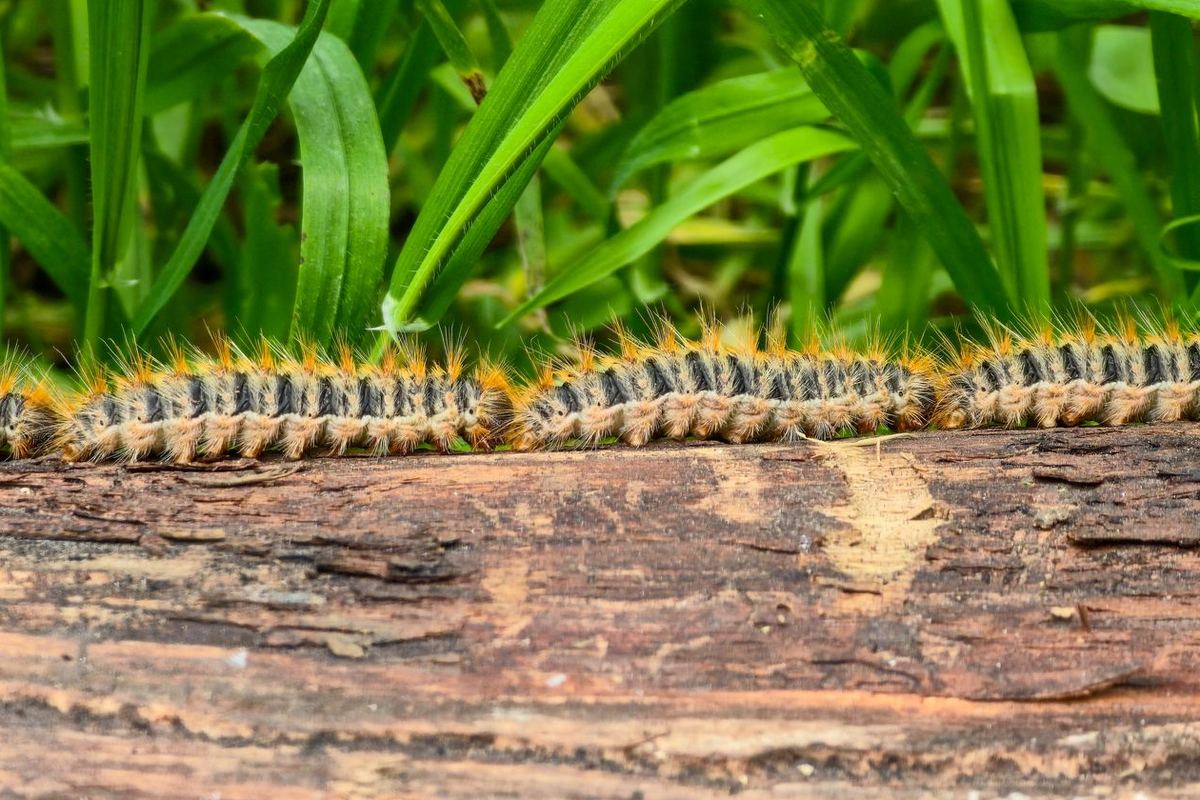
Pine processionary caterpillars are common in Jávea's pine-covered urbanisations, usually from late winter into spring. Their hairs can cause serious reactions in dogs and irritation in people. Keep dogs away from them, and have nests in your trees treated by a specialist, ideally in autumn.
If you have pine trees or walk a dog in Jávea, you need to know about these caterpillars.
When are processionary caterpillars a problem?
They come down from pine trees in long lines, typically from January to April depending on the weather. White silky nests in the pine branches are the sign they are there.
Why are they dangerous for dogs?
Their hairs release a toxin. Dogs that sniff or lick them can suffer swelling of the tongue and mouth, which needs urgent veterinary care. If you suspect contact, rinse the mouth with water without rubbing and go straight to a vet.
How do I get rid of them?
Treat the nests before the caterpillars come down, usually in autumn. Options include removing nests, traps around the trunk and treatments by a specialist. See tree surgeons and gardeners who handle pines.
What does the yearly cycle look like?
- Late summer: moths lay eggs on pine needles.
- Autumn and winter: caterpillars feed and build silky white nests at the tips of pine branches. The nests are easy to spot on Jávea's Aleppo pines.
- Late winter to spring (often January to April on the coast): caterpillars come down the trunk in nose-to-tail lines to bury themselves in the soil. This is the dangerous time for dogs and children.
Who treats which trees?
Town halls treat pines in public parks, school grounds, dog areas and streets, but pines on private plots are the owner's responsibility. Treatments include biological sprays in autumn, injections into the trunk, removing nests in winter and pheromone traps or collar traps on the trunk in spring. The right one depends on the time of year. Nest removal needs protective clothing, because the hairs are irritating even on old nests.
What if my dog touches one?
Don't rub the area. Rinse the mouth or skin gently with plenty of water and go to a vet straight away. Tongue injuries can become serious within hours. Keep the number of an emergency vet in your phone. See vets in Jávea.
Pest control in the directory
| Business and address | Google rating |
|---|---|
| Fog Off Mosquito & Pest ControlAv. Madrid, 14, Moraira | 4.9291 reviews |
| EcoplagesAv. del Colomer, 8, Jávea | 4.749 reviews |
| Seyma Endoterapia vegetalPartida Madrigueres Sud, 61, Dénia | 4.243 reviews |
| Desinfecciones RamiroCarrer del Dipòsit, 26, Pedreguer | 4.223 reviews |
| Desindi C.B.Carrer de la Setla, 1, Dénia | 4.414 reviews |
| Mosquito BustersAvinguda de la Marina, 109, Moraira | 4.414 reviews |
| LavisaneC. Juan de la Cierva, 2, Benissa | 4.114 reviews |
| IberplagasCarrer Ausiàs March, 5, Dénia | 3.99 reviews |
See the full pest control page for what each one offers.
Find help in Jávea
Quick answers
What should I do if my dog touches a processionary caterpillar?
Rinse the mouth gently with water and go to a vet immediately.
When should processionary nests be treated?
In autumn, before the caterpillars hatch and leave the nests.